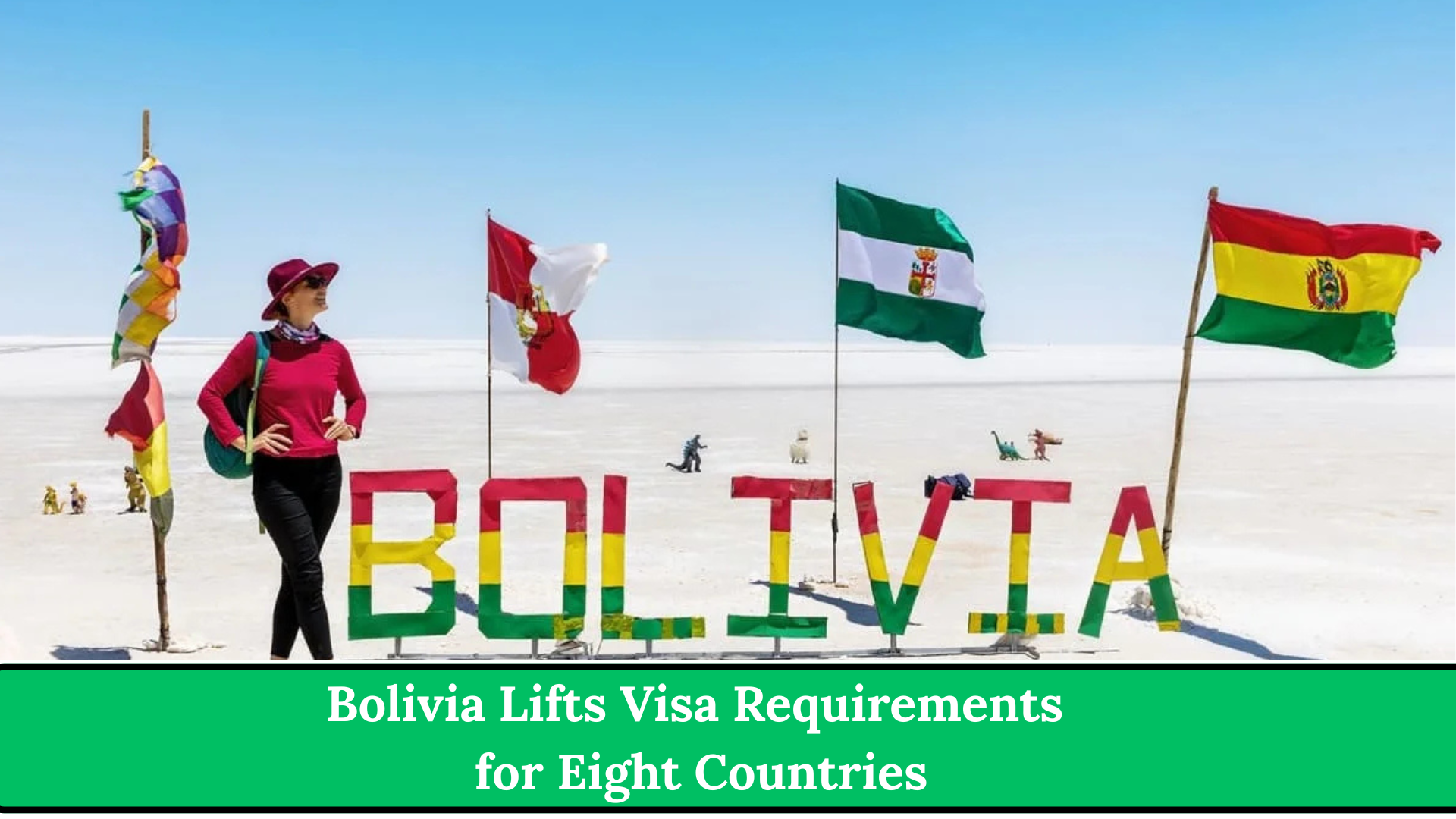
Bolivia Lifts Visa Requirements for Eight Countries. Bolivia has taken a major diplomatic step by announcing that it will gradually remove visa requirements for citizens of eight countries. This new policy is part of the national strategy, “Bolivia to the World, the World to Bolivia”, which aims to strengthen international partnerships, increase tourism, and support long-term economic growth.
The announcement, made on December 2, 2025, marks a major shift in Bolivia’s foreign policy—moving away from past political restrictions and focusing on development, cooperation, and global integration.
Bolivia Lifts Visa Requirements – What Has Changed?
Bolivia is officially eliminating visa requirements for eight countries that previously needed one to enter. This move is part of a broader plan to modernize the country’s migration and diplomatic policies.
Foreign Minister Fernando Aramayo confirmed that earlier restrictions were based on political decisions that lacked technical or security justification. Now, Bolivia is choosing a more open and practical approach that aligns with its development goals.
According to the minister:
“Bolivia is leaving behind ideological barriers and choosing openness, integration, and international cooperation.”
This new policy will be implemented gradually and according to established immigration procedures.
Eight Countries That Will Become Visa-Free for Bolivia
Citizens of the following countries will soon move to Group I, meaning they no longer need a visa to visit Bolivia:
| Country | Visa Status Update |
|---|---|
| Bulgaria | Visa-free gradually approved |
| Israel | Moved to Group I soon |
| Malta | Visa requirements removed |
| Romania | Visa-free entry allowed |
| South Africa | Restrictions lifted gradually |
| South Korea | Visa-free travel approved |
| United Arab Emirates (UAE) | Will not require a visa |
| United States (USA) | Gradually shifted to visa-free category |
Once fully implemented, travelers from these nations will be able to enter Bolivia without prior visa application, making tourism and business travel much smoother.
Why Bolivia Removed Visa Requirements
Bolivia’s new migration decision is part of a long-term strategy to refresh its global image and strengthen economic ties.
1. Ending Politically Motivated Restrictions
The previous administration imposed visa rules based on political considerations. Bolivia now wants to normalize relations and promote fair, transparent cooperation.
2. Boosting Tourism and Foreign Visits
The government estimates the policy could generate $80 million between 2026 and 2030, fueled by a rise in international arrivals.
3. Encouraging Investments and Partnerships
More open travel contributes to bilateral business opportunities, trade, and foreign investments.
4. Supporting Economic Growth in Key Sectors
The policy is expected to improve job opportunities in:
- Hospitality
- Tourism services
- Gastronomy
- Retail
- Transportation
- Commerce
- Regional tourism industries
Regions heavily dependent on tourism are likely to benefit the most.
Bolivia Is Opening Its Door Without Asking for a Visa
The Bolivian government is presenting the reform as more than an administrative change. It is a symbolic message of openness.
The official slogan behind the reform states:
“Bolivia is opening its doors… and this time, it’s not asking for a visa to dream big.”

This highlights Bolivia’s commitment to:
- Modern diplomacy
- International cooperation
- Regional and global integration
- Stronger foreign relations
- A welcoming environment for travelers and investors
The reform positions Bolivia as a country ready to engage with the rest of the world through openness instead of restrictions.
Expected Economic Impact of the Visa-Free Policy
Bolivia’s new visa strategy is strongly linked to economic development goals. Here’s how experts expect it to help:
1. Increase in Tourism Revenue
Travelers from the U.S., South Korea, UAE, and Europe represent high-spending markets. Easier entry will likely bring more visitors.
2. Growth in Local Employment
Tourism-related jobs—hotels, restaurants, tour agencies, transportation—will expand.
3. Boost to Small and Medium Enterprises (SMEs)
Local craft markets, food businesses, and cultural tourism providers will see higher demand.
4. Stronger International Ties
Removing political barriers encourages long-term cooperation in trade, education, technology, and culture.
How the Visa-Free Rollout Will Work
The transition to visa-free travel will occur gradually, based on:
- Administrative timelines
- Legal processes
- Final approval under Bolivia’s migration laws
- Coordination with each country’s diplomatic representatives
Travelers are advised to check updated entry requirements before planning their trip, as implementation may vary by country.
Global Reactions to Bolivia’s Decision
International analysts view Bolivia’s new approach as a positive diplomatic reset. Countries included in the visa-free list welcomed the gesture, highlighting opportunities for:

- Tourism partnerships
- Educational exchange programs
- Investment projects
- Stronger political relations
Travel agencies and airlines are also expected to expand offerings to Bolivia as demand grows.
What This Means for Future Travelers
Once fully implemented, travelers from the eight countries will enjoy:
- Visa-free entry into Bolivia
- Faster airport arrivals
- No paperwork delays
- More convenient business and leisure travel
- Stronger cultural and tourism exchange
Bolivia is positioning itself as a more accessible and visitor-friendly destination.
Conclusion
Bolivia’s decision to lift visa requirements for eight countries marks an important moment in its diplomatic and economic journey. The reform reflects a modern, forward-looking vision focused on openness, cooperation, and growth. As Bolivia welcomes more travelers, investors, and global partners, the country is ready to strengthen its international presence and unlock new opportunities for development.