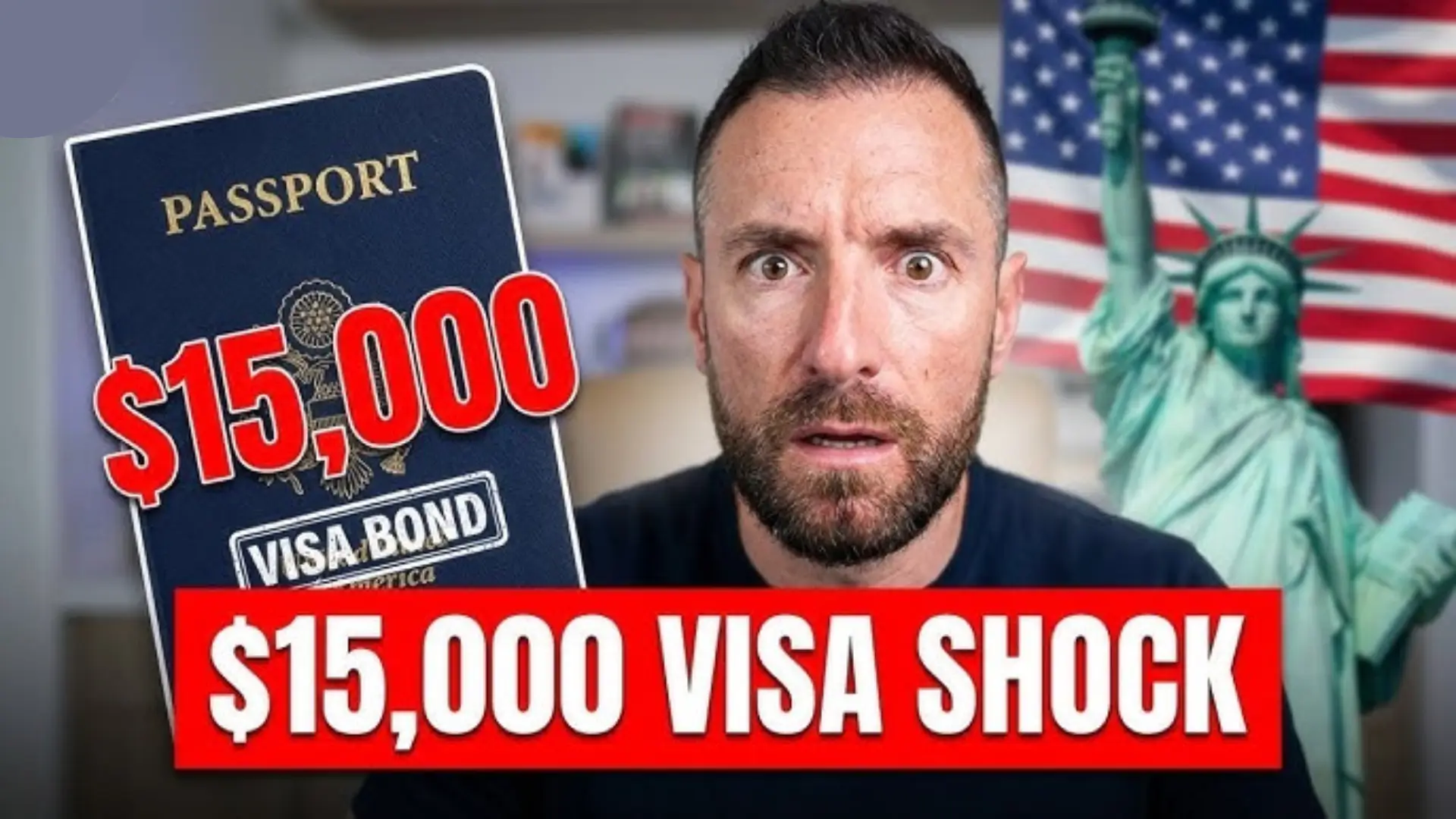
US to Require Up to $15,000 Bond for Visa Applicants. The United States Department of State has recently expanded its visa bond program by adding 12 more countries to the list of nations required to post bonds of up to $15,000 for entry into the United States. This move is part of the Trump administration’s ongoing efforts to control both legal and illegal immigration into the country, particularly from non-Western nations.
Expansion of the Visa Bond Program
The newly added countries bring the total number of nations subject to these visa bond requirements to 50. Most of these countries are located in Africa, and the high bond amounts have raised concerns among critics, who argue that the policy discriminates against low-income travellers.
Under this program, visa applicants from the listed countries must pay bonds ranging from $5,000 to $15,000 when applying for B-1 and B-2 visas. B-1 visas are issued for business purposes, while B-2 visas are granted for tourism. The exact bond amount is determined during the visa interview and varies based on the applicant’s profile and perceived immigration risk.
Purpose of the Policy
The Trump administration has defended the bond program as an effective measure to reduce visa overstays and prevent illegal residency in the United States. According to a news release from the State Department, the visa bond program has already demonstrated a high success rate:

- Approximately 1,000 visas have been issued under the program.
- 97% of these visa recipients left the US within the allowed timeframe, complying with the terms of their visa.
By requiring a significant financial commitment upfront, the US government aims to ensure that applicants have a strong incentive to adhere to the conditions of their visas.
How the Bond Works
The bond functions as a security deposit for the United States government. If the visa is approved and the applicant enters the US, the bond acts as a guarantee that the visitor will leave the country before their visa expires.
However, it is important to note that paying the bond does not guarantee visa approval. The bond will be refunded in the following cases:
- If the visa application is rejected.
- If the applicant does not enter the United States.
- If the visa holder complies with all terms of the visa during their stay.
The program has been designed to protect both the integrity of the US immigration system and ensure fairness for those who follow the rules.
Criticism and Concerns
Despite the administration’s claims, the policy has faced strong criticism from human rights advocates, immigration experts, and affected travelers. Critics argue that the high bond amounts create financial barriers for individuals from lower-income countries, effectively limiting access for students, business travelers, and tourists who cannot afford the deposit.
Many have also questioned the focus on largely non-Western countries, claiming that it unfairly targets African nations and other regions with predominantly low-income populations. Humanitarian organizations have raised concerns that the policy may inadvertently punish lawful travelers while failing to address the root causes of illegal immigration.

Government Response to Criticism
The Trump administration has consistently defended the program, emphasizing its proven track record in preventing visa overstays. The State Department highlights that the bond program is a preventive measure, not a punitive one, aimed at ensuring compliance with US immigration laws.
Officials have pointed out that the program is tiered, with three bond levels:
- $5,000
- $10,000
- $15,000
The amount is decided during the visa interview based on the applicant’s risk profile and travel purpose. By introducing these tiers, the administration claims to tailor the financial requirement to individual circumstances, rather than imposing a blanket rule.

Broader Immigration Policy Context
This policy expansion is part of a larger set of measures under the Trump administration designed to restrict immigration into the United States, particularly from countries outside the Western world. Alongside stricter visa requirements and higher bonds, other steps have included more rigorous background checks, increased scrutiny of asylum applications, and limits on temporary work visas.
The administration argues that these measures are necessary to protect national security, maintain immigration order, and reduce illegal residency.
Implications for Travelers
For travelers from the newly added countries, this means that visiting the United States now involves a significant financial commitment before even receiving approval. Applicants will need to plan ahead and ensure they can meet the bond requirements, in addition to fulfilling standard visa documentation and interview requirements.

Travelers who cannot afford the bond may find themselves effectively barred from visiting the US, even if they meet all other visa eligibility criteria. This has sparked debate over the fairness and accessibility of US immigration policies for citizens of low-income nations.
Conclusion
The expansion of the US visa bond program to 12 additional countries highlights the Trump administration’s continued focus on controlling immigration and preventing visa overstays. While the policy has proven effective in ensuring compliance among previous applicants, it has also sparked criticism over potential discrimination and financial barriers for travelers from low-income countries.
As the policy takes effect, the coming months will reveal how it impacts international travel, business, and tourism, particularly from the affected regions. Observers will also be watching for legal challenges or adjustments to the program in response to ongoing concerns from human rights groups and international advocacy organizations.